Menu

- Grammar Tips
- Woman vs Women (What’s the difference?)
- Difference between Site and Sight
- Difference between Will and Will be
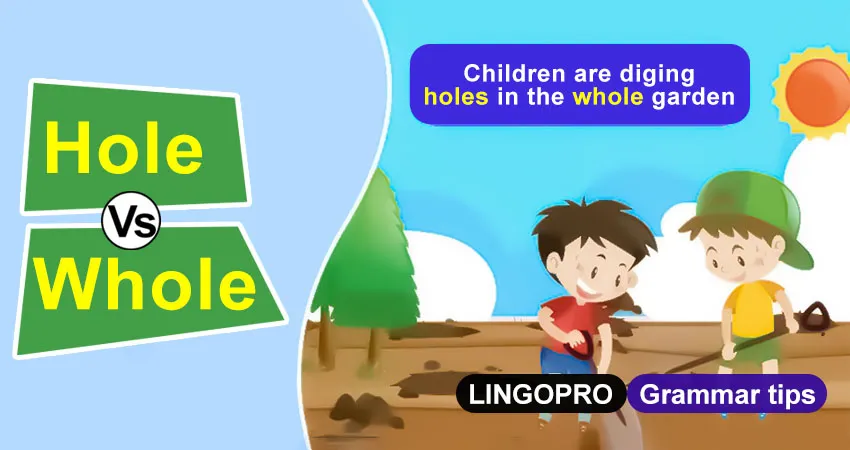
- Difference between Hole and Whole
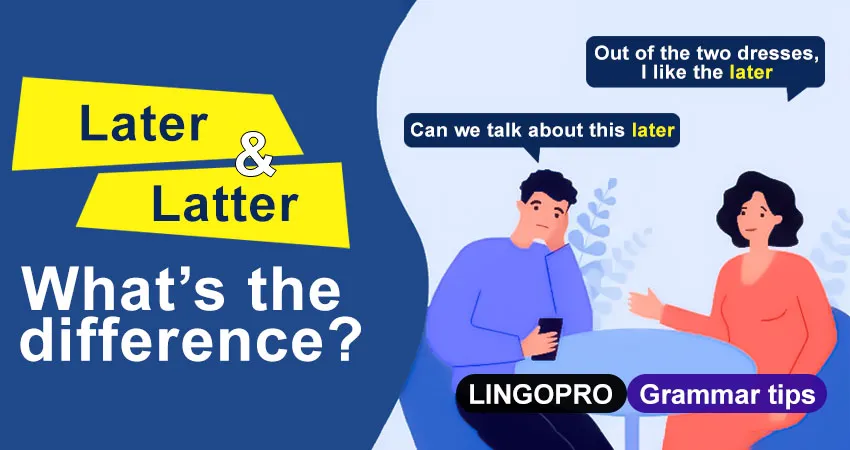
- Difference between Later and Latter
- Where to use Could and Would?
- Difference between Whoever and Whomever
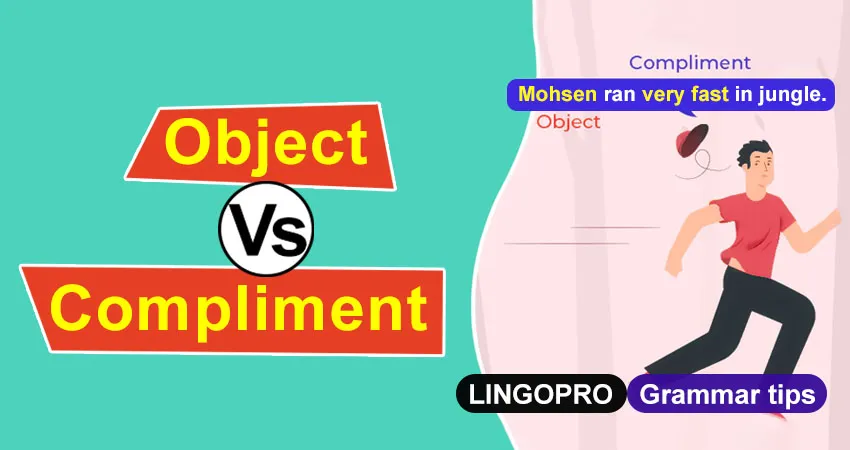
- Difference between Object and Complement
- Difference between Should and Ought to
- Difference Between Sometime and Sometimes
- Difference between To vs For
- Difference between Say vs Tell
- Difference between Leader and Manager
- Difference Between Each and Every
- Difference between Salary and Wages
- Grammar Master
- Statements and Questions
- Verbs: Intransitive and Transitive
- Talking about the Present
- Talking about the Past
- Introduction to Future Tenses
- Phrasal Verbs
- Modal Verbs
- Conditionals
- Active and Passive
- Nouns: Countable and Uncountable
- Nouns: Singular and Plural
- Determiners and Articles
- Word Order
- Comparison
- Reported Speech
- Writing
- The IELTS Matrix
- The Band 9 Essay Blueprint: Deconstructing the Perfect Task 2 Response
- Beyond ‘I Think’: Mastering Discourse Markers for a Fluent & Coherent Speaking Test
- The ‘True/False/Not Given’ Trap: An Ex-Examiner’s Guide to Avoiding Costly Reading Mistakes
- Cracking the Code: How to Predict Answers and Identify Distractors in the IELTS Listening Test
- The Lexical Band-Jumper: 50 Advanced Collocations to Instantly Upgrade Your Writing & Speaking
- From Data to Description: A Step-by-Step Guide to Mastering Academic Task 1
- The 2-Minute Masterclass: Structuring Your Part 2 Talk for Maximum Impact
- The Grammar ‘Gray Areas’: Fixing the Subtle Errors That Hold You Back from a Band 7+
- The 48-Hour Countdown: Your Ultimate Pre-Test Day Game Plan (Mind, Body & Strategy)
- The Psychology of a High-Scorer: How to Manage Test Anxiety and Stay Focused Under Pressure
- The IELTS Listening Maestro
- The Sound Map: Your Pre-Section Prediction System
- Decoding Numbers & Names: The Zero-Error Guide
- The Art of Multitasking: Listen, Write, Anticipate
- Section 1 Deconstructed: Mastering the Conversation
- Sections 2 & 3 Deconstructed: Tackling Monologues and Discussions
- Section 4 Deconstructed: Conquering the Academic Lecture
- Mastering the Distractors: The Advanced Guide
- The Accent Gauntlet: Understanding British, American, and Australian English
- The Shorthand System for IELTS: Write Faster, Score Higher
- The 10-Minute Transfer: From Notes to Perfection (Paper)
- The 2-Minute Masterclass: Structuring Your Part 2 Talk for Maximum Impact
- The IELTS Reading Maestro
- The 60-Minute Game Plan: Your Time Management Masterclass
- The Art of Skimming & Scanning: Finding Information in Seconds
- Deconstructing the Question: The Paraphrasing Power-Up
- Conquering ‘True, False, Not Given’: The Definitive Guide
- The ‘Matching Headings’ Blueprint: From Confusion to Clarity
- Mastering Multiple Choice: The Art of Distractor Elimination
- The Vocabulary Vault: Tackling Unknown Words
- The Sentence Surgeon: Understanding Complex Grammar
- Section-by-Section Strategy: Understanding the Test’s Progression
- The Final 10 Minutes: The Review and Transfer Protocol (Paper)
- The Digital Endgame: Acing the Computer-Delivered Review
- The IELTS Writing Maestro
- The Question Deconstruction Matrix: Unlocking the Logic of Any Task 2 Prompt
- The ‘Point-Explain-Expand’ Method: Turning Good Ideas into Great Paragraphs
- The Art of the First & Last Impression: Crafting Introductions and Conclusions that Wow Examiners
- The Academic Lexicon: 100 Power-Phrases for High-Band Analysis and Comparison
- Sentence Surgery: Mastering Inversions, Cleft Sentences, and Participle Clauses for Band 9 Complexity
- Beyond the Bar Chart: A Masterclass in Describing Processes, Maps, and Multiple Charts
- The Data Detective: How to Select, Group, and Report Key Trends in Task 1
- The Invisible Glue: Advanced Cohesive Devices to Create a Seamless Essay
- The 7 Deadly Sins of IELTS Writing: How to Identify and Eradicate Costly Errors
- The 5-Minute Edit: A Proven Proofreading Checklist to Perfection
- Champion’s Mindset
- Learning Techniques
- Test Analysis
- Academic
- Cambridge 07 | AC | Reading Test 01
- Cambridge 08 | AC | Reading Test 01
- Cambridge 08 | AC | Reading Test 02
- Cambridge 08 | AC | Reading Test 03
- Cambridge 08 | AC | Reading Test 04
- Cambridge 09 | AC | Reading Test 01
- Cambridge 09 | AC | Reading Test 02
- Cambridge 09 | AC | Reading Test 03
- Cambridge 09 | AC | Reading Test 04
- Cambridge 10 | AC | Reading Test 01
- Cambridge 10 | AC | Reading Test 02
- Cambridge 10 | AC | Reading Test 03
- Cambridge 10 | AC | Reading Test 04
- Cambridge 11 | AC | Reading Test 01
- Cambridge 11 | AC | Reading Test 02
- Cambridge 11 | AC | Reading Test 03
- Cambridge 11 | AC | Reading Test 04
- Cambridge 12 | AC | Reading Test 5
- Cambridge 12 | AC | Reading Test 6
- Cambridge 12 | AC | Reading Test 7
- Cambridge 12 | AC | Reading Test 8
- General Training
- Cambridge 08 | GT | Reading Test A
- Cambridge 08 | GT | Reading Test B
- Cambridge 09 | GT | Reading Test A
- Cambridge 09 | GT | Reading Test B
- Cambridge 10 | GT | Reading Test A
- Cambridge 10 | GT | Reading Test B
- Cambridge 11 | GT | Reading Test 1
- Cambridge 11 | GT | Reading Test 2
- Cambridge 11 | GT | Reading Test 3
- Cambridge 11 | GT | Reading Test 4
- Academic

Menu